Why Modern Orchid Labs Are Becoming More Selective
For decades, orchid breeding has depended on a relatively small number of genetic lines, a shrinking domestic breeding infrastructure, and increasingly globalized tissue culture propagation.
Today, those systems are showing measurable strain — not in plant availability, but in genetic consistency, fertility, and long-term breeding stability, as well as economic strain in terms of the very-much-required long term investment in orchid cultivation and breeding.
International movement of breeding stock has become more restricted under regulations such as Convention on International Trade in Endangered Species of Wild Fauna and Flora (CITES). Large-scale domestic breeding programs in the United States have steadily declined. Commercial greenhouse space has shifted toward faster-turnover crops. And commercial tissue culture labs specializing in Orchids have almost entirely disappeared. Thai lab tissue culture has made it possible to preserve and mass produce plants that may possess exceptional flowers, but are they preserving increasingly weak fertility or unstable genetics?
The result is a challenge that many orchid breeders see clearly:
Some modern breeding lines are becoming progressively less vigorous, less fertile, and less genetically diverse over time.
At Standard Orchid, we began seeing these patterns almost immediately after expanding beyond our own greenhouse material.
What initially appeared to be isolated issues with poor germination or lab error gradually revealed a broader set of economic and genetic realities affecting modern orchid breeding itself.
The Economics of Orchid Flasking
Orchid propagation is extraordinarily labor intensive.
A typical media pouring run in our lab takes approximately three hours and produces around forty mother flasks. That quantity of media is often used to sow roughly thirteen pods at a time. Before a pod is ever opened, however, substantial preparation has already taken place:
media preparation and sterilization
seed preparation / scraping dry seed
tube / vial preparation
workstation preparation
tool sterilization
soaking solutions
intake logging and database entry
Even receiving a single pod generally requires:
fresh media pours
cleaning and preparation
extracting and processing seed
preparing sterilization solutions
documenting the cross and associated breeding data
Once sown, the material may remain on shelves for six months or longer before viability can be confidently evaluated.
With green pod culture, there is often no way to know whether a pod contains healthy, viable seed until it has already been sterilized and opened under laboratory conditions.
When viability is strong, this workflow is extremely rewarding. A single successful pod may produce thousands or even tens of thousands of seedlings.
When viability is poor, however, the economics become much more difficult.
In some cases, a large pod may ultimately yield only a handful of viable seedlings after months of labor, media use, and shelf space occupancy. While labs can attempt to offset some of those costs through service fees, the underlying challenge is not simply cost recovery — it is that low-viability material often generates very little downstream value relative to the amount of labor required to process it. When 70–80% of incoming material fails to germinate reliably, the economics shift significantly. Even when service fees are applied, the labor, media use, and multi-month occupancy of culture space often make higher-turnover crops far more attractive for laboratories. This is especially true when viable orchid material requires an additional 8–14 months in flask before it can be sold or evaluated. By comparison, faster-growing plant systems can move through the same infrastructure in roughly 3–4 months while generating similar per-unit revenue.
This has become one of the defining realities of modern orchid flasking.
Why Modern Orchid Breeding Has Changed
Over the last several decades, the structure of orchid breeding in the United States has shifted significantly.
Large-scale domestic breeding infrastructure has become increasingly rare. Orchids require enormous investments of time, greenhouse space, labor, and patience. Unlike many modern horticultural crops, orchids often require years before seedlings can even be evaluated for breeding potential.
At the same time, commercial greenhouse space in the United States has shifted toward crops with faster turnover and more predictable revenue cycles.
As a result, much of the innovation within orchid breeding now comes from smaller specialty growers and highly dedicated hobbyist breeders rather than large institutional operations.
This has also contributed to a broader industry shift toward cloning and meristem propagation of already-proven cultivars. In many cases, importing established clones from overseas laboratories is economically safer than maintaining large domestic breeding programs that may require a decade of evaluation before producing commercially viable results.
None of this is inherently negative. Cloning has allowed many exceptional plants to remain available in cultivation that might otherwise have disappeared.
At the same time, heavy reliance on cloning can sometimes reduce pressure to maintain long-term breeding vigor and fertility within breeding lines.
Genetics, Fertility, and the Viability Problem
One of the most important lessons we learned as our lab expanded was that not all pods are created equal.
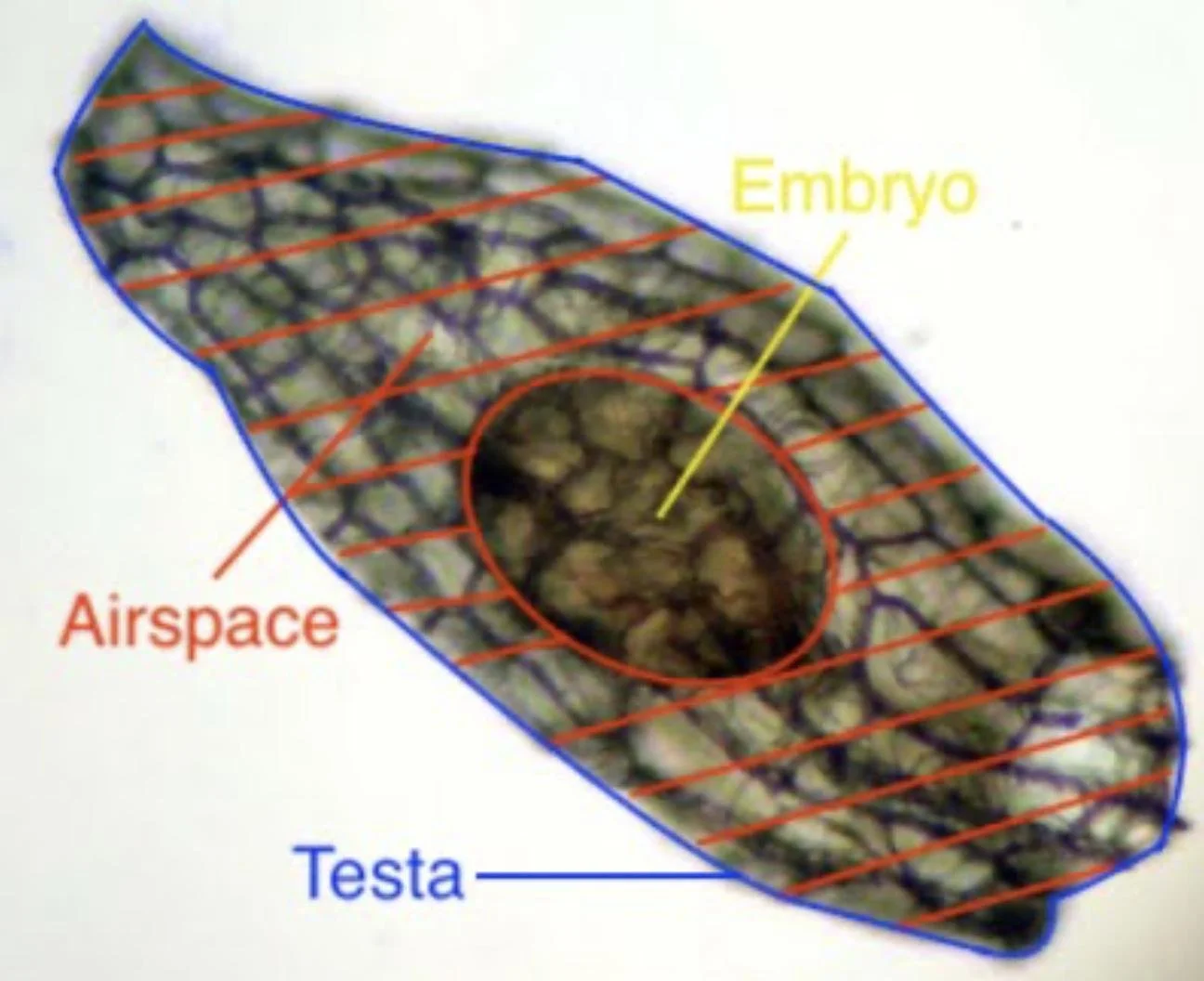
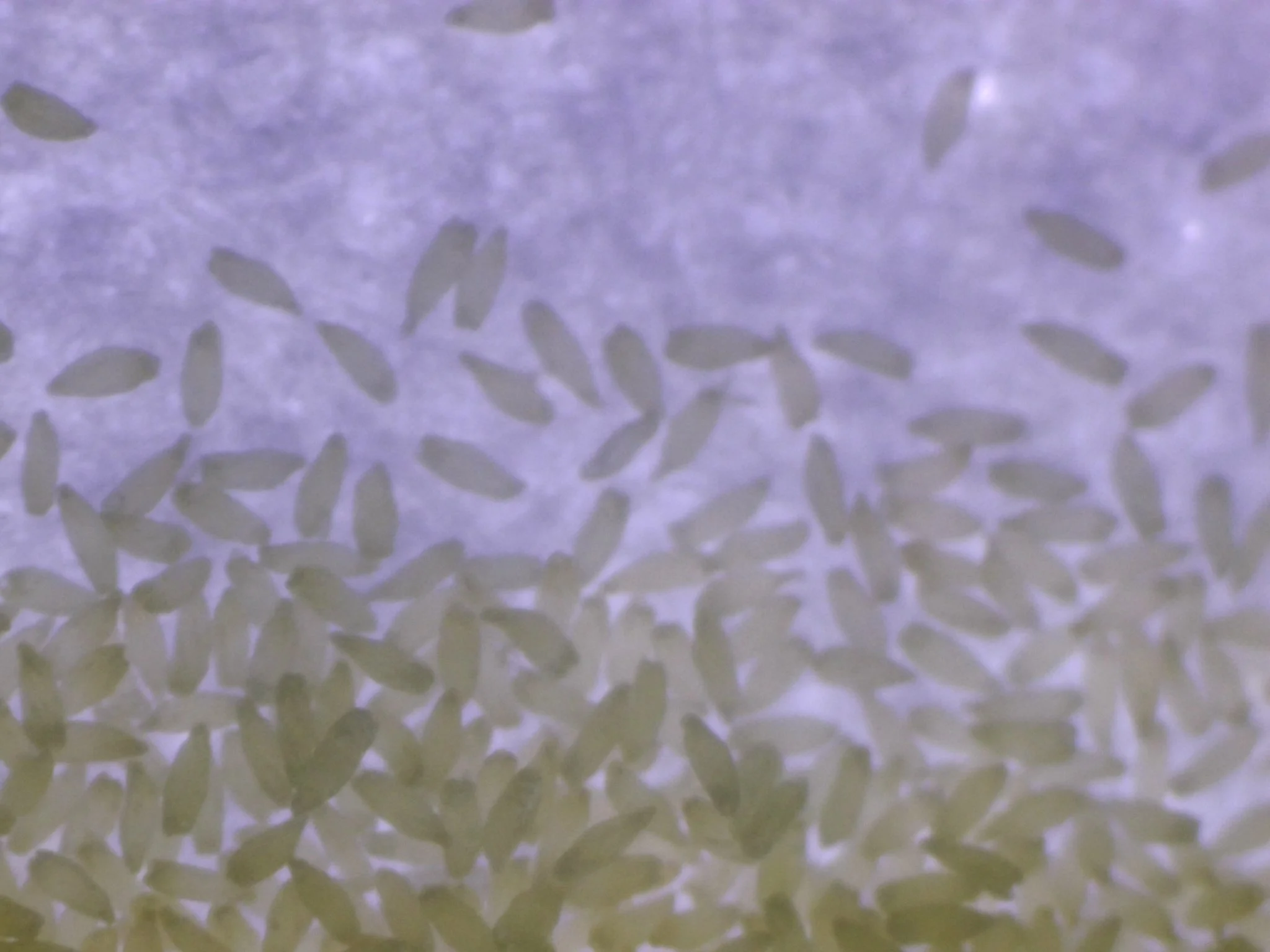
A large pod does not necessarily indicate strong fertility or healthy genetics. In many cases, pods that appear promising externally may contain sparse, weak, or non-viable seed.
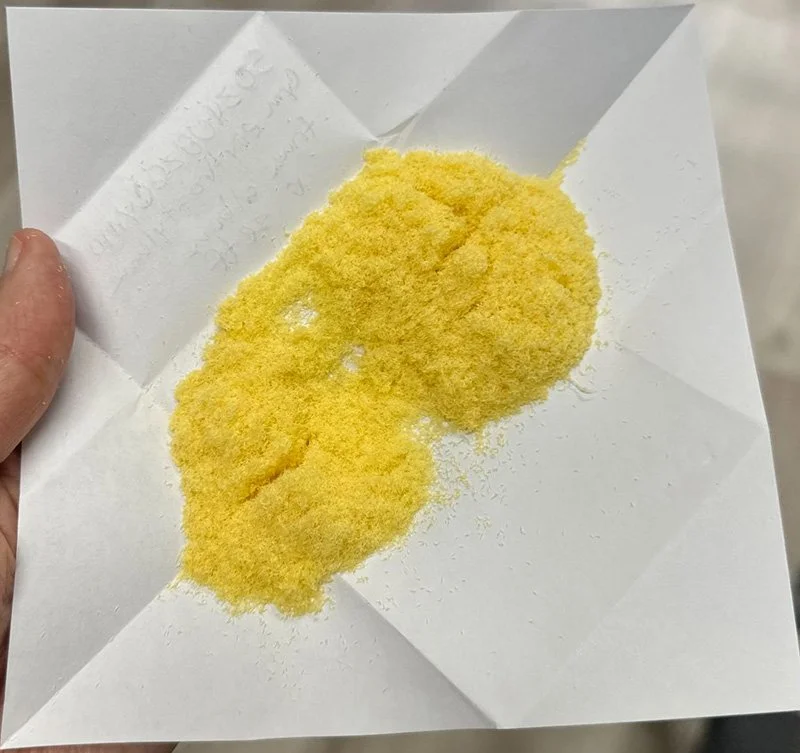
A cymbidium pod yielding a high volume of bright yellow seed - no question this will germinate and produce lots of plants
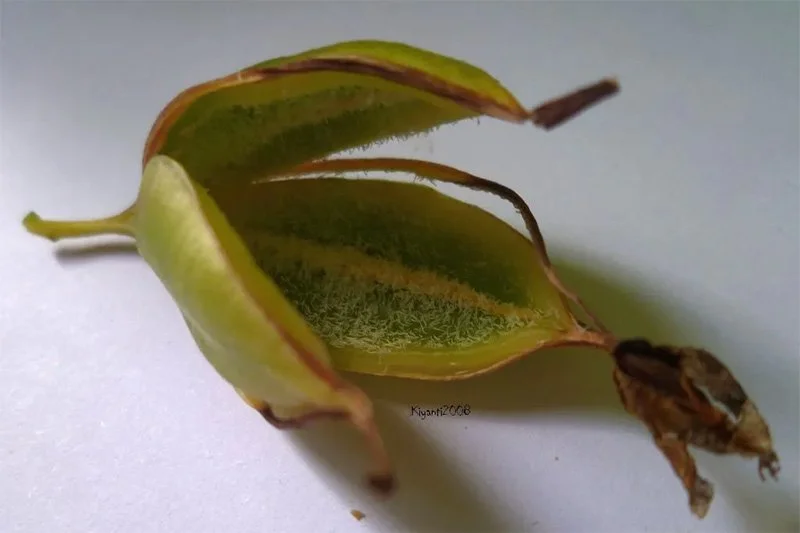
An empty oncidiinae pod - we didn’t know this was empty until we peeled it open. No seed, no plants - and at least one of the parents are likely triploid.
Regional isolation can also contribute to these challenges. In places like Hawaii, for example, strict agricultural import regulations have historically made it more difficult to introduce mature orchid material from outside sources. Over long time horizons, this can unintentionally narrow the genetic pool available to breeders.
Meanwhile, breeders on the mainland increasingly have access to new genetic material entering cultivation through companies such as Ecuagenera and other international sources introducing species and breeding lines from diverse origins.
These differences in genetic diversity can have significant downstream effects on:
seed viability
vigor
fertility
mutation rates
and overall breeding stability
In some cases, tissue culture itself can unintentionally prolong breeding lines that naturally show weak fertility or unstable growth habits. A plant that would otherwise struggle to persist through conventional breeding may still be clonally propagated if it possesses commercially attractive flowers.
Over time, this can create breeding bottlenecks where visually interesting plants continue circulating despite increasingly poor reproductive performance.
Understanding Ploidy and Breeding Stability
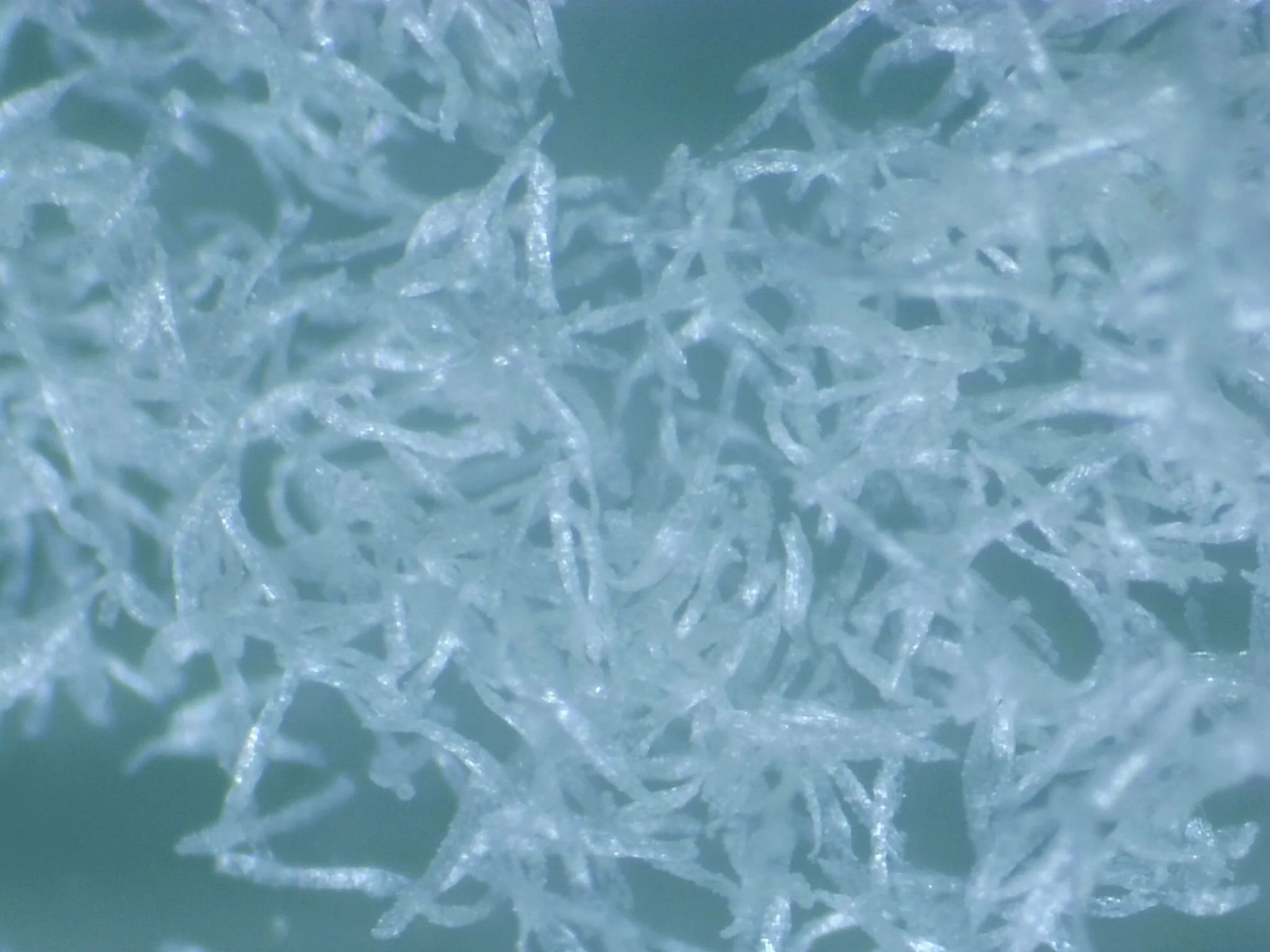
Ploidy is another topic becoming increasingly important in modern orchid breeding discussions. Breeders and labs discovered decades ago that converting seedlings to 4N improved a lot of desirable characteristics of plants. Other breeders were left behind, and have limited grasp of these concepts - but have plants of various ploidy in their stud collections (2N, 3N, 4N, 5N, 6N).
In practical breeding terms, ploidy is one of the most important hidden variables determining whether a cross will produce vigorous, fertile offspring — or whether it will stall in subsequent generations.
In simple terms, ploidy refers to the number of chromosome sets present within a plant. Many breeders are familiar with terms like:
2N (diploid)
4N (tetraploid)
6N (hexaploid)
Even among experienced growers, however, the actual ploidy of breeding stock is often unknown unless flow cytometry or chromosome analysis has been performed.
This matters because ploidy can strongly influence:
fertility
vigor
flower substance
growth habit
breeding compatibility
Many breeders focus on ploidy as a tool for achieving desirable traits associated with polyploid plants, such as increased flower size, rounder shape, substance, and vigor. However, it is often underappreciated that ploidy changes can also significantly complicate future fertility within a breeding program, particularly when intermediate or unstable levels (such as 3N or 5N) are introduced. Orchid breeders should recognize a lesson from watermelon breeders who intentionally used ploidy treatment to achieve the very marketable seedless watermelon.
At Standard Orchid, we have increasingly focused on building breeding lines with long-term stability in mind rather than simply pursuing novelty alone.
This includes:
strategic backcrossing to species
introducing new genetic diversity through acquisitions and shared pollen
selective breeding for vigor and fertility
experimental polyploid and hexaploid conversion work
We have also been exploring chromosome conversion techniques in collaboration with breeders such as Bob Hamilton, including methods intended to stabilize breeding lines that might otherwise produce poor fertility outcomes.
For example, converting unstable triploid pathways into more stable tetraploid breeding outcomes may allow future generations to maintain stronger fertility and more predictable performance.
These are long-term projects, but they are increasingly important for anyone serious about the future of orchid breeding.
The Hidden Problem of Clone Decline
One of the basic assumptions in orchid cultivation is that a clone is genetically fixed — that once a superior plant is selected and placed into tissue culture, its traits remain unchanged indefinitely. In practice, the reality is more complex, especially when clones are maintained and multiplied over many decades.
In long-running propagation lines, subtle forms of genetic and epigenetic drift can accumulate over time. This phenomenon is often discussed in tissue culture as somaclonal variation, where repeated cycles of in vitro growth and regeneration can introduce small but meaningful changes in plant behavior. While many of these changes are invisible at the vegetative stage, they may become more apparent when plants reach flowering maturity.
For orchids that have been in continuous commercial production since the 1970s and 1980s, these effects can become increasingly relevant. Growers sometimes observe that older, historically important cultivars may no longer express the same consistency in traits that originally defined them, usually most notably in inflorescence branching, flower count, vigor, or overall plant architecture.
A well-known example frequently discussed among orchidists is Oncidium ‘Sharry Baby’. While the cultivar remains widely propagated and beloved for its fragrance, many growers have noted variation in plant performance across different lines of propagation. In cases like this, it is difficult to separate natural cultural variability from long-term propagation effects, but the observation itself is consistent enough to be part of broader breeder discussion.
This is not an argument against cloning. Clonal propagation remains one of the most powerful tools in orchid horticulture, enabling exceptional plants to be preserved and made widely available. Without it, many landmark cultivars would likely have been lost.
Rather, the issue is one of time scale and propagation history. The longer a clone is maintained through successive tissue culture cycles, and the more times it is reinitiated from secondary material rather than original meristem stock, the greater the opportunity for subtle divergence to accumulate.
In some cases, this creates a situation where a “clone” is no longer a perfect biological snapshot of the original seedling selection, but instead a propagation lineage that has evolved its own characteristics over decades of cultivation.
This becomes particularly important in breeding programs. If a historically important cultivar is used as a parent, but its current propagated form has drifted from its original genetic or physiological performance, the resulting breeding outcomes may not reflect the strengths that made the cultivar desirable in the first place.
At Standard Orchid, this understanding has influenced how we approach both conservation and breeding strategy. In some cases, we prioritize rebuilding historical crosses using improved or more stable modern parents, rather than relying solely on long-propagated legacy clones.
This approach allows us to preserve the intent and aesthetic direction of classic breeding lines while improving vigor, fertility, and structural consistency in the resulting offspring.
Over time, this becomes less about preserving individual clones in isolation, and more about maintaining the genetic idea behind them — and ensuring that idea continues to perform in a modern breeding context.
These combined pressures: economic, genetic, and structural — have directly influenced how we now prioritize breeding and laboratory work at Standard Orchid.
Why We Became More Selective
None of this means we have stopped offering lab services.
We still work with carefully selected breeding material and continue collaborating with both hobbyist and commercial growers. However, it has changed how we evaluate projects and what types of breeding programs we believe are sustainable long term.
Today, much of our focus is centered around:
producing material from our own breeding programs
collaborating with species-focused collectors
building genetically diverse breeding lines
selecting for vigor, fertility, fragrance, and warmth tolerance
developing compact / warmth tolerant Oncidiinae suited for modern growers
Over the last eighteen months, we have built a substantial pipeline of new material:
more than 100 pods currently maturing
over 70 crosses growing out in greenhouse evaluation
and a growing number of early seedlings beginning to reach blooming size
Over the next year, many of these plants will begin appearing both as flask offerings and as individually selected plants through Standard Orchid.
Our goal is not simply to produce more orchids.
It is to help build breeding lines that remain vigorous, fertile, and sustainable for future generations of growers and breeders alike.
